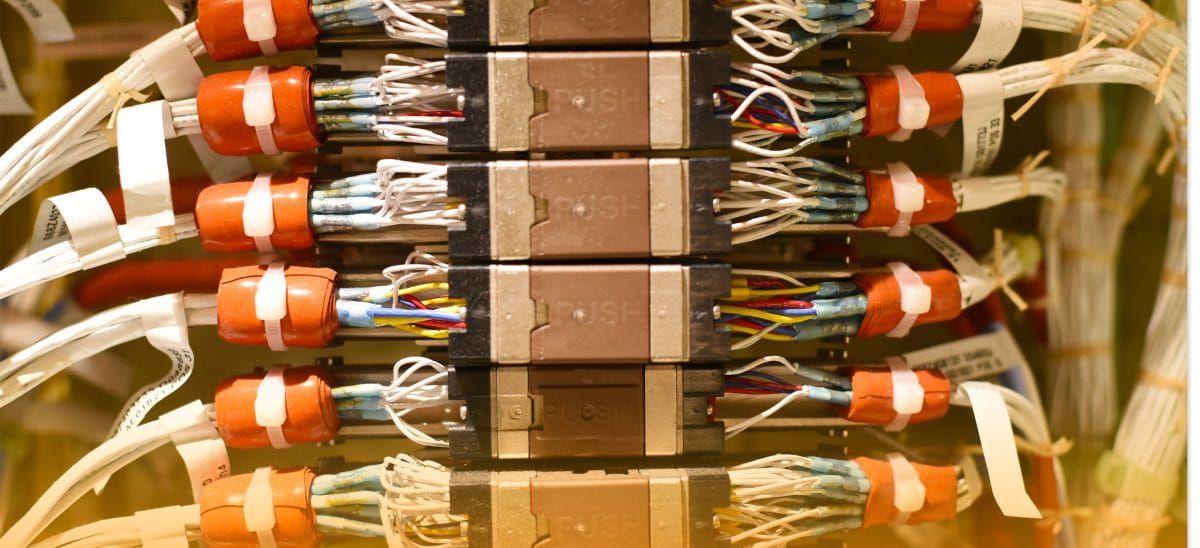
The Docking Harness
Governance Without Central Control
The Docking Harness (DH) is one of ACP’s least visible—and most essential—components.
It is not a model.
It is not a dataset.
It is not a moderation layer in the conventional sense.
The Docking Harness is a governance interface that allows multiple AI systems, variants, and tools to operate within shared constraints without requiring centralized intelligence or uniform ideology.
The Problem It Addresses
Most AI governance today happens at two extremes:
- Hard-coded restrictions embedded deep in proprietary models, or
- Completely ungoverned open systems with no shared norms.
Both approaches fail at scale.
Centralized control cannot adapt to local contexts. Total openness collapses into chaos or exploitation.
The Docking Harness exists between these poles.
What the Docking Harness Does
At a high level, the Docking Harness:
- Enforces scope boundaries (what a model may and may not do in a given context)
- Tracks assumptions and evidence requirements
- Monitors drift, escalation, and misuse patterns
- Enables refusal and redirection as first-class outcomes
- Allows different models to cooperate under shared rules without sharing weights or internal logic
Importantly, the Docking Harness does not tell models what to think. It tells them how to behave.
Why This Matters
As AI ecosystems diversify, no single model or company will—or should—control norms. Governance must be composable, inspectable, and adaptable.
The Docking Harness allows ACP to remain principled without being brittle. It supports experimentation without surrendering responsibility. And it enables collaboration across systems while preserving institutional memory.
In short, it is governance designed for a world where intelligence is abundant—but wisdom is not guaranteed.
Member discussion: